
Full analysis of battery wrap: 18650 safety practical guide and torn wrap risk protection
When you are using an 18650 battery, battery wrap is not just a small thing that looks good, it is directly related to 18650 safety. Especially many people continue to use torn-wrapped batteries, which not only harms the battery but also seriously harms safety.
In high-performance equipment, 18650 batteries have become standard equipment, whether it is vape flashlights, DIY battery packs or various mobile devices. You can see it. However, many users only care about the capacity and magnification rate and ignore the outermost layer of battery wrap that seems “dispensable”.
In fact, this thin layer of PVC heat shrink film undertakes three key tasks: insulating and preventing short circuits and protecting the edges of the tabs from scratches.
Once a torn wrap occurs, your 18650 safety will begin to suffer, ranging from mis-triggering of the device to serious short circuit or even thermal runaway.
The following content will break down the principle and risk comparison data of battery skins and the industry practices of ODB Wraps and e-commerce platforms so that you can remember them after using them once:
When do you need to repack, which battery wrap is more reliable, and how to achieve industry-level 18650 safety at the lowest cost.
📊 Key Metrics Comparison
📈 Comparison of 18650 safety risks under different usage habits
Based on the self-reported data of multiple e-commerce platforms and brands, we can roughly see the security differences between the three types of users, especially the way to deal with torn wrap, which directly increases the security level.
💡 Core Highlights and In-depth Analysis
01. The real role of battery wrap: not just a “coat””
Many people think that it doesn’t matter if the battery outer skin is broken, the core is still there anyway. In fact, for metal-cased batteries like 18650, the battery wrap is the insulating layer.
When you install the battery into a metal compartment or a device with a spring leaf, once a torn wrap occurs, the battery steel case may directly contact the negative electrode, and there is only a momentary short circuit between the metal case and the battery head.
Brands like ODB will remind you repeatedly on the product page:
“We’ve all had a battery wrap tear on one of our 18650’s. Some of us continue to use them like that, which is incredibly unsafe.”
This seemingly simple sentence has already concluded the industry consensus. Torn wrap and 18650 safety are never a fuss, but the starting point in the accident chain.
02. From bare batteries to personalization: safety and appearance can go together
You can see two typical product lines on the e-commerce platform. One is single-color PVC heat shrink tubing, which is cheap and practical, such as black, blue, red, green and other standard 18650 battery wrap, usually less than $1 per piece.
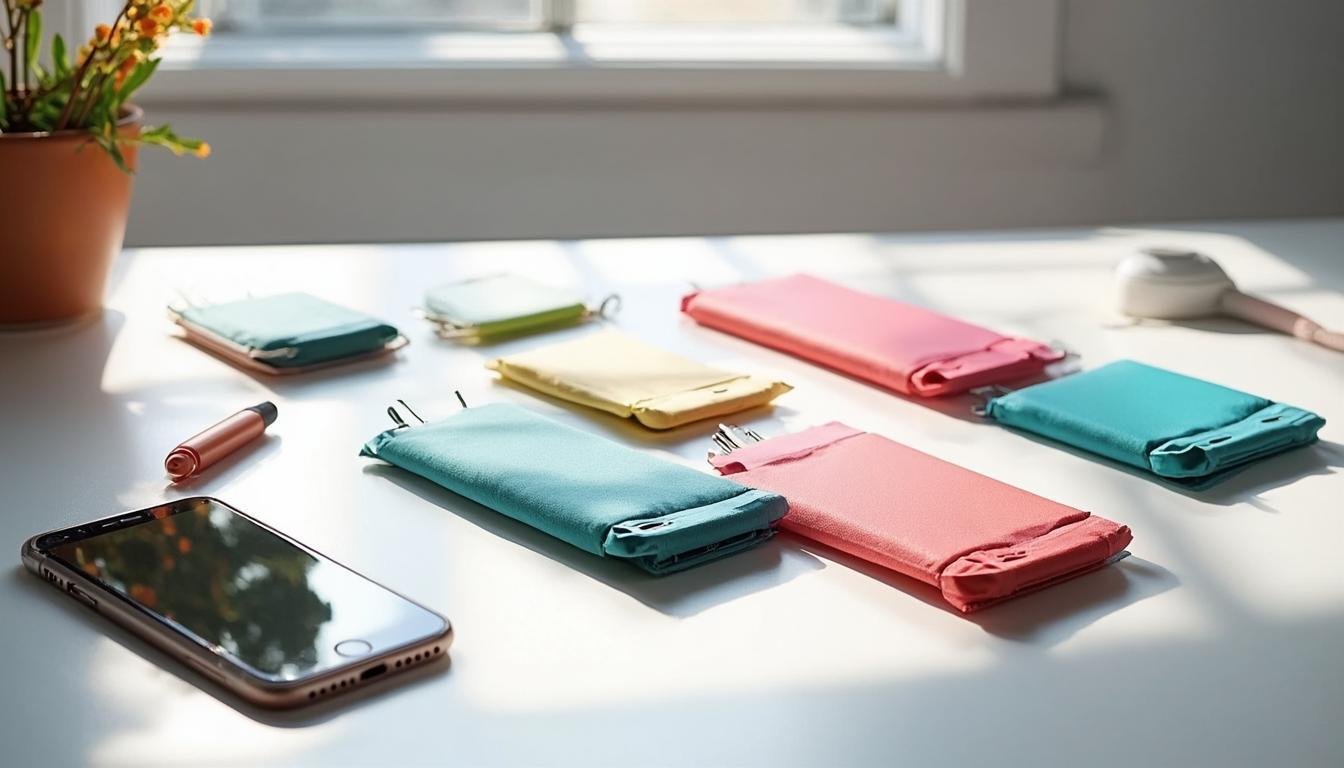
The other type is patterned batteries like ODB Wraps, which have character IP co-branded totems or even limited series on the skin.
There has been a consensus in the industry that the easiest way for users to actively replace battery wrap is to make it look better.
You can distinguish them by different colors or patterns:
Usage scenarios (such as vape vs flashlight)
Discharge rate level
Batch and usage time
In this way, while pursuing a unique appearance, you can actually improve the safety of the 18650, because you will be more concerned about the condition of the battery and be more willing to repack it as soon as torn wrap appears.
03. Insulating gasket + battery wrap: The top is the most dangerous place
Many accidents occur not on the sides of the battery but on the top of the battery.
There is only a very narrow insulating ring between the positive electrode head of the 18650 and the metal case. Once this ring is scratched or damaged at the same time as the torn wrap, the positive electrode may be short-circuited directly to the case.
So you will see matching Top Insulators (insulation gaskets) in professional battery stores. They are usually self-adhesive and attached to the top of the battery, and then put on a new battery wrap. After heat shrinking, the positive electrode area forms a complete insulation structure.
For DIY battery packs or high-power equipment, consider “battery top + torn wrap” as a high-risk combination. Once discovered, replace the battery wrap and insulating gasket immediately, which is equivalent to adding an industry-level insurance to 18650 safety.
04. Industry Insights: Platform ratings and brand endorsements are affecting purchasing
If you look at the data of mainstream platforms, you will find an interesting phenomenon. User ratings of dedicated battery wrap products are generally above 4.6 stars and the return rate is very low.
For example, some 18650 battery wrap sets received 4.7~4.8 star reviews on e-commerce platforms. The keywords repeatedly mentioned by users are “easy to use”, “good insulation” and “cheap fix”.
At the same time, brands like ODB that specialize in battery skins not only have patents and trademark numbers, but also use co-branded and limited editions to turn “replacing battery skins” into a trendy move rather than just a safety lesson.
This means two things to you
The first choice is battery wrap with a clear brand and rating, which is more reliable than “nameless heat shrink tubing”
Second, you can use these brand endorsements and reviews to quickly determine whether the product truly cares about 18650 safety rather than just selling a roll of plastic skin.
05. Industry Insights: Professional sellers have regarded “repackaging services” as a standard process
In stores that specialize in selling 18650 batteries, batteries are no longer just “sold once and that’s it.”
Many stores already offer battery wrap and insulation accessories as one of their main line products:
Precut 18650 wrap + 21700 wrap
Package packaging (battery skin + insulation ring + nickel sheet)
We even provide “customized pattern wrap + batch marking” services for bulk customers.
This was a very direct inspiration to you.
If you are a player or a small businessman, you can use battery repacking as part of after-sales maintenance to solve the high-risk torn wrap problem at a low cost.
If you are an individual user, you can directly choose a store with the category “wraps – 18650 / wraps – 21700” and buy all the batteries, battery wraps and accessories at once to make 18650 safety a habit.
06. Industry Insights: Standardized sizes and multi-specification compatibility are becoming the new normal
From the product specifications, you can see another trend. Manufacturers are deliberately using “width + length” to standardize battery wrap dimensions, such as
Suitable for 18650 21700 26650 100mm 150mm 200mm flat width heat shrink tube
Pre-cut sizes for single batteries include 29.5×72mm, 35×78mm, etc.
This thing is very friendly to you
On the one hand, you can easily calculate how many batteries can be wrapped in a roll of heat shrink tube to reduce the wrapping cost of a single battery.
On the other hand, as long as you choose the corresponding specifications according to the battery model and manufacturer’s recommendations, you can ensure that it will be tight and compliant after shrinkage and will not cause torn wrap again during use.
It can be said that in the future, replacing battery wrap will become more and more as simple as “replacing a mobile phone case”. High standards and low threshold will also make the overall level of 18650 safety go up.
🛠 Practical guide: How to correctly handle torn wrap and repackage 18650
Finally, let me use a simple operation list to help you implement the 18650 safety related to battery wrap. Once you find a torn wrap, you can follow these steps:
- The first step is to stop using the battery immediately and safely remove it from the device.
- The second step is to check whether the battery steel case is deformed, dented or leaking. If there is any leakage, discard it directly. Do not just replace the battery wrap.
- The third step is to prepare the 18650 battery wrap and top insulator ring that match the model
- Step 4: Carefully cut off the original skin to avoid scratching the steel case and pole tabs.
- Step 5: Attach a new insulating gasket and put on the new wrap. Make sure the top edge is slightly higher than the positive electrode.
- Step 6: Use a heat gun or hair dryer to heat the battery wrap at a constant speed so that the battery wrap shrinks and fits evenly.
- Step 7: After cooling, check again that there are no exposed metal edges before putting it into use.
As long as you develop a simple habit – regularly check the battery wrap and if you find torn wrap, replace the battery wrap immediately and pay attention to the status of the insulating gasket.
You are already ahead of most users in upgrading 18650 safety from “lucky” to “controllable engineering behavior”.
Treat battery wrap as a safety part instead of a decorative part. Torn wrap is no longer an invisible minefield and your 18650 safety is truly online.