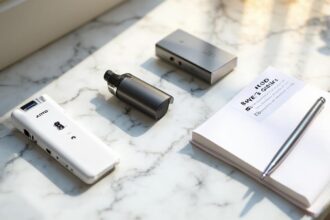


Clone vs Authentic: Understand the quality differences between genuine and cloned atomization hardware
In the e-cigarette market, clone vs authentic is no longer just a battle over price. What you should be more concerned about is the safety and quality of the vape hardware. Only by recognizing the quality difference between clones and genuine products can you maintain your brand reputation and protect the health of your users.
📊 Key Metrics Comparison
📈 Clone vs Authentic: Visualization of core quality dimensions
Red represents cloned vape hardware with approximately 45% stability, dark blue represents approximately 95% stability of genuine products (visual comparison ratio presentation)
Cloned products are obviously deficient in compliance and quality systems. Genuine products rely on certified factories, and the overall safety and quality are more controllable.
In the long run, genuine atomization hardware is much higher than cloned solutions in terms of brand trust and repurchase.
💡 Core Highlights and In-depth Analysis
01. Packaging details: clone vs authentic can be seen at first glance
Many people only look at the price, but in the judgment of clone vs authentic, packaging is actually the fastest entry point. Authentic vape hardware will use high-weight paper and high-definition printing on the outer box. You can see the clean edges, consistent colors, and uniform proportions of the LOGO. Clone products often have rough fonts, serious color differences, and even misspelled brand names. You can also pay attention to whether there are sealing films, tamper-evident seals and child-resistant markings, which are all standard actions from compliant factories.
02. Anti-counterfeiting code and traceability system: genuine quality can be checked and certified
Mainstream brands already consider anti-counterfeiting as part of quality management. Authentic atomization hardware usually comes with a QR code, scratch coating or laser anti-counterfeiting sticker. You can scan the code with your mobile phone to enter the official website verification page and see the batch number and production date. Clones either do not have these designs or the QR code jumps to irrelevant web pages or is even completely unrecognizable. Once you see “No such code found” in clone vs authentic, you can basically determine that there is a high risk in terms of quality and source.
03. Price and channels: hidden quality risks behind extremely low prices
In the vape hardware market, prices often directly reflect production costs. When you see that the price of a certain “hot-selling device” is only about 20% of the normal genuine product, you should immediately be vigilant. Forum users will use clone atomizers to “test the waters” but only if they know very well that it is a clone and not a fake. If the supplier deliberately sells clones as genuine products, you will not only face quality problems, but also risk after-sales disputes, complaints and even removal from the platform. Choosing a factory with production qualifications and authorized distribution is the first step to control quality.
04. Industry Insights: Cloning is not entirely “negative” but requires boundaries
In the eyes of some experienced players, high-quality clones were once “trial version” tools used to test the structure and taste of an expensive atomizer. If they liked it, they would repurchase the original product. From the perspective of brands and distributors, you need to set clear boundaries: you can admit that clone vs authentic coexist in the market, but you cannot allow fake and shoddy products to mix into your supply chain. Once cloned products are mixed into genuine channels, users’ trust in the overall quality of vape hardware will decrease simultaneously, and the loss will be far greater than the current price difference.
05. Factory capability: ISO system is the bottom line of quality rather than a “plus point””
A truly stable vape hardware supply chain starts from the factory. For example, the professional factory in Batam, Indonesia will pass ISO 9001, 14001, 45001 and other system certifications while providing OEM/ODM capabilities, taking safety and compliance into consideration during the design stage. For brands and wholesalers, this means that everything from design, material selection to assembly and shipment is documented rather than relying on verbal promises. When deciding between clone vs authentic, you only need to focus on one core point: whether the factory is willing to leave written evidence of quality.
06. Brand equity: short-term savings vs. long-term quality reputation
From a business perspective, the difference between clone vs authentic is more like a choice between “save some costs in the short term” and “maintain brand equity in the long term”. Cloned products may bring temporary price advantages, but once there is oil leakage, mushy smell, battery failure or even safety accidents, users will not distinguish between clones and genuine products. They will only remember your brand name. On the other hand, when you insist on only making traceable authentic vape hardware and transparently display quality standards, you can gain a premium in the increasingly stringent regulatory environment and it will be easier to enter the overseas compliance market.
When you really understand the difference between clone vs authentic, you will find that the decisive factor is never the price but the quality and traceability of the vape hardware. Start using genuine supply chains now to maintain safety, reputation and long-term growth.